Using a log burner
Why is my log burner glass going black, or filling the room with smoke?
By Carl, Northwest Firewood Company ·
The most common reason log burner glass goes black, or the room fills with smoke, is wood that is too wet. Defra says wet wood tars the inside of the stove, blackens the glass and creates a lot of smoke. After the wood, check the air controls, a cold flue, how much you are loading and what you are burning. Dirty glass is a nuisance, but smoke coming into the room is a safety problem: if it keeps happening, stop using the stove and get it checked.
Why is my log burner glass going black?
Black glass means the fuel is not burning fully. HETAS, the body that registers stove installers, explains that incomplete combustion happens when the fire has too little oxygen, causing sooty deposits to form on the stove glass. The Burnright campaign puts it more simply: blackened glass usually means you are not burning the wood hot enough.
Wet wood makes both worse. HETAS says burning wood with a moisture content higher than 20% makes the glass dirty and gives a less efficient burn. Many stoves also have an airwash, a stream of air that runs down the inside of the glass to keep it clean, and HETAS advises using it if your stove has one.
Why is my log burner filling the room with smoke?
A working stove sends its smoke up the chimney. When smoke comes back into the room, something is stopping the chimney from drawing. HETAS says a cold flue has poor draw and can cause combustion by-products to re-enter the room, and that smoke re-entering the room while the stove is in use is a sign to stop using it and book a sweep as soon as possible.
One stove manufacturer's manual, published on the HETAS website, is blunter: fumes are poisonous and smoke emission must never be tolerated. It lists the usual causes as an unswept or blocked chimney, poor air supply to the room, leaking seals on the flue pipe, and wind blowing down the chimney.
If you think fumes are escaping or your carbon monoxide alarm goes off, HETAS advises closing the stove's air controls, opening doors and windows, and leaving the property. Do not use the stove again until the cause has been found and fixed. The NHS lists headaches, dizziness, feeling sick, tiredness and confusion, and shortness of breath as symptoms of carbon monoxide poisoning. Call 111 if you think you have symptoms, or 999 if someone has trouble breathing or collapses.
The causes at a glance
| Cause | What you notice | First fix |
|---|---|---|
| Wet wood | Hard to light, lots of smoke, black glass, less heat | Test with a moisture meter, burn wood at 20% or less |
| Air turned down too far | Black glass, a lazy fire | Run the stove hot, using the air settings in your manual |
| Cold flue | Smoke back into the room when you light it in cold weather | Warm the flue before lighting |
| Overloading | Lots of smoke from the chimney | Fewer, smaller logs |
| Wrong fuel | Smoke, fumes, dirty glass | Burn only what the manufacturer recommends |
| Chimney or air supply problem | Smoke into the room, fire not burning as well as usual | Get it swept and checked |
Sources for the table: Defra, HETAS, Burnright.
How to fix it, in order
Work down this list. The first steps cost nothing or very little, and they solve most cases.
1. Check the wood
Burnright and HETAS both say to burn wood at 20% moisture or less. Wet wood also feeds creosote: HETAS says it burns much less efficiently and with much more smoke. A cheap moisture meter will tell you in a minute. Our guide to log moisture content shows how to test logs properly, and kiln-dried vs seasoned logs explains why "seasoned" on its own tells you little.
2. Set the air controls properly
Follow the settings in your stove's manual. Burnright advises bringing the stove up to operating temperature quickly and keeping it there, and warns against closing the air right down to "slumber" the fire overnight. HETAS adds that turning a stove down for the night can cause more smoke and increase the risk of spillage. Burnright says a stove thermometer is cheap and will help you see whether the fire is hot enough.
3. Warm a cold flue before lighting
In cold weather an invisible plug of cold air can settle in the chimney. HETAS calls this a "cold plug" and says it can push smoke back down and out of your stove. It is more common with twin-wall flues, which are more exposed. HETAS suggests leaving the stove door open for at least 30 minutes before lighting, lighting from the top down, and starting with a firelighter to warm the flue gently. Our guide on how to light a log burner walks through the top-down method.
4. Don't overload it, and refuel with care
Burnright says an overloaded stove gives large amounts of smoke from the chimney, because smoke is simply unburnt fuel. HETAS says overloading also cuts the airflow and causes incomplete combustion and creosote build-up. Burnright recommends logs of 100 to 150mm across.
When you add logs to a fire that has burned down to embers, Burnright says there can be several minutes of significant smoke before it flames again. Add a little kindling first and open the air for a while until the logs catch.
5. Burn the right fuel
Use the fuels your stove's manufacturer recommends, and do not mix smokeless fuel and wood, which Burnright says gets the best from neither. Defra warns that treated waste wood, such as old furniture, pallets or fence panels, and household rubbish can give off harmful fumes and toxic pollutants when burned.
6. Think about the air supply
A stove needs air from the room to burn. The manufacturer's manual quoted above says lack of air to the fire is a common cause of smoking, that it can be worse in certain winds, and that an extractor fan or another fuel-burning appliance in the house can take that air away. If the smoke only comes in when a kitchen or bathroom fan is running, or on windy days, tell your installer. Burnright says not to fit or alter any part of a solid fuel system yourself, so leave vents and flue work to a professional.
7. Get the chimney swept
HETAS recommends sweeping at least twice a year when burning wood: just before the heating season and again after the busiest part of winter. Defra also advises up to twice a year, because soot and tar build up in use and raise the risk of a chimney fire.
When to call a HETAS sweep or installer
Stop using the stove and book a professional if:
- Smoke comes into the room while the stove is in use. HETAS says this is a sign your chimney needs sweeping urgently.
- The fire is not burning as well as usual and you have not changed anything. HETAS lists this as another warning sign.
- You see birds at the top of the chimney or hear scratching. HETAS says birds may be nesting in it.
- The glass gets dirty faster than usual, even with dry wood. HETAS says this may be a sign of an issue with your installation and to contact your HETAS Registered Installer.
- Your carbon monoxide alarm goes off. Get everyone out first, then get the stove checked before you use it again.
HETAS recommends a HETAS Approved Chimney Sweep and says to ask any sweep for identification before they start. For heavy creosote or smoke coming back into the room, it suggests a HETAS Approved Servicing Technician.
Common mistakes
- Cleaning the glass and ignoring the cause. Clean glass that goes black again the next night means the fire still is not burning properly.
- Cleaning the glass while it is hot. HETAS says to wait until it is cool to the touch and to avoid sharp or abrasive materials, which scratch it.
- Shutting the air down to make the logs last. Burnright says slumbering a stove wastes large amounts of fuel, and HETAS says it raises the risk of spillage.
- Flinging the door open. HETAS advises opening the door a crack, waiting a few seconds for the air pressure to settle, then opening it slowly.
- Putting up with smoke in the room. It is not normal, and it can mean carbon monoxide is getting in too.
Questions people ask
How do I stop my log burner glass going black?
Burn wood at 20% moisture or less, run the stove hot with the air settings from your manual, use the airwash if your stove has one, and do not slumber it overnight. If the glass still blackens quickly, have the installation checked.
How do I clean log burner glass?
HETAS suggests cleaning pads made for stove glass, or scrunched newspaper dipped in water and cool ash, followed by a wipe with a damp cloth. Ceramic hob cleaner on a non-scratch sponge also works. Only clean the glass once it is cool, and aim for roughly once a month.
Why does my log burner smoke when I open the door?
HETAS advises opening the door a crack, waiting a few seconds for the air pressure to adjust, then opening it slowly, and avoiding overloading when you add logs.
Why is my new log burner smoking?
A new stove often gives off a smell, and sometimes visible fumes, as its paint cures. The manual quoted above says this normally stops after an hour or so and advises opening a window for the first firing. Check your own stove's manual, and call your installer if smoke keeps coming into the room.
Why is my log burner not drawing?
The usual suspects are a cold flue, a chimney that needs sweeping, or not enough air getting into the room. Warm the flue before lighting as HETAS suggests, and if it still will not draw, book a sweep.
Why is my log burner smoking so much from the chimney?
Burnright says that unless you have just lit or just refuelled the fire, there should be no smoke from the top of the chimney. Lots of smoke usually means wet wood, too little air or an overloaded stove.
Why is my log burner not giving off much heat?
Wet wood is the first thing to check. Defra says unseasoned wood produces less heat as well as more smoke. After that, check the fire is not being starved of air.
Start with dry logs
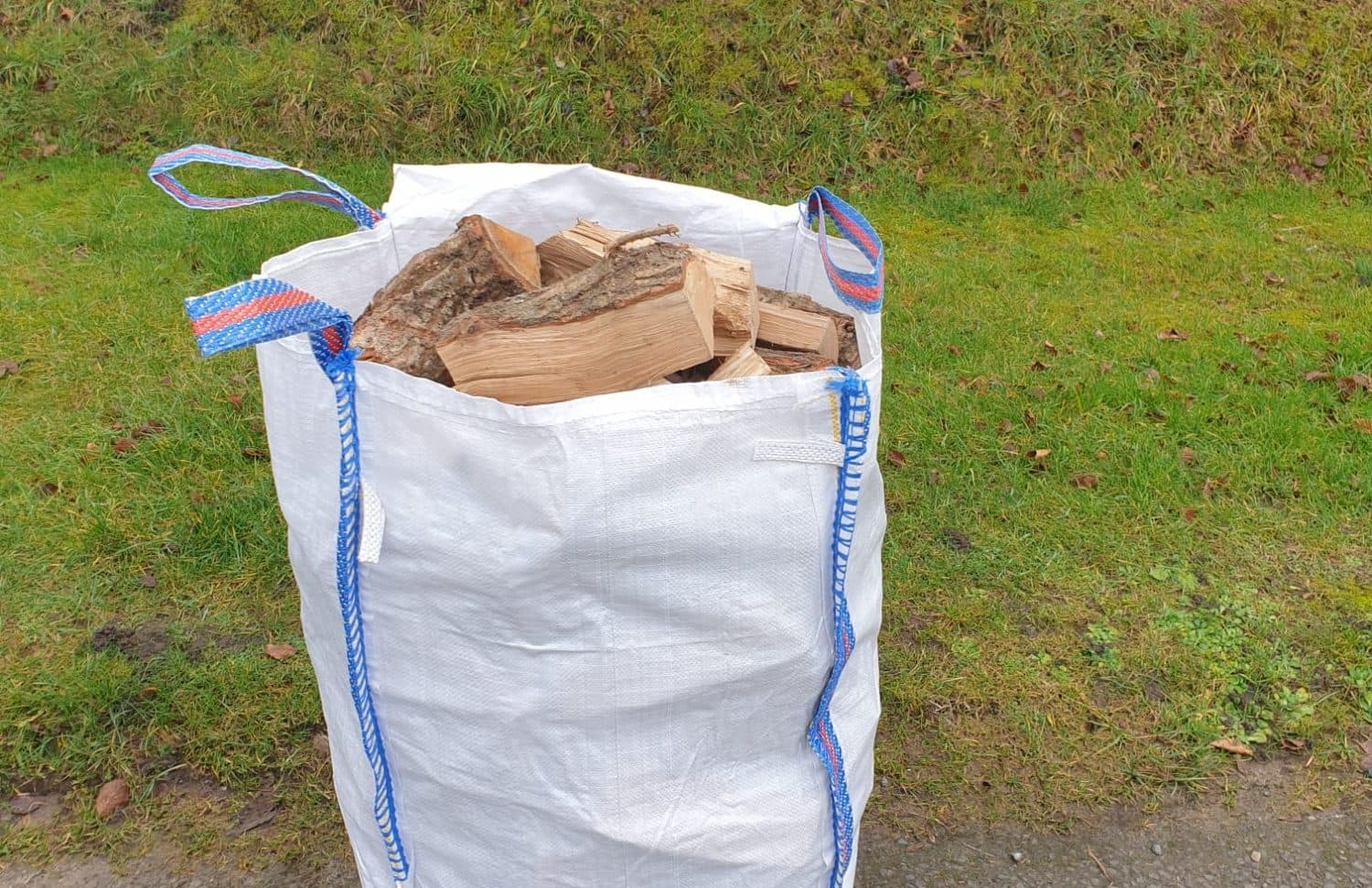
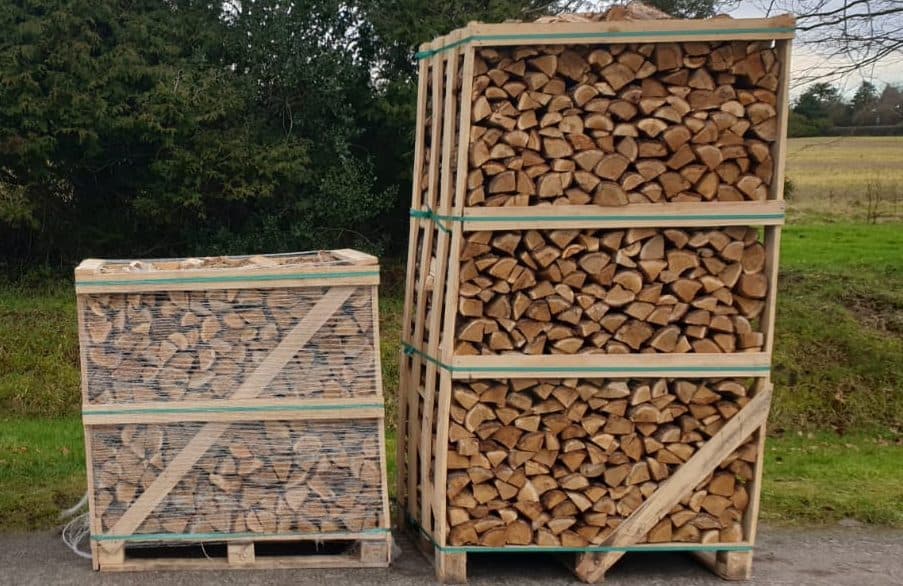
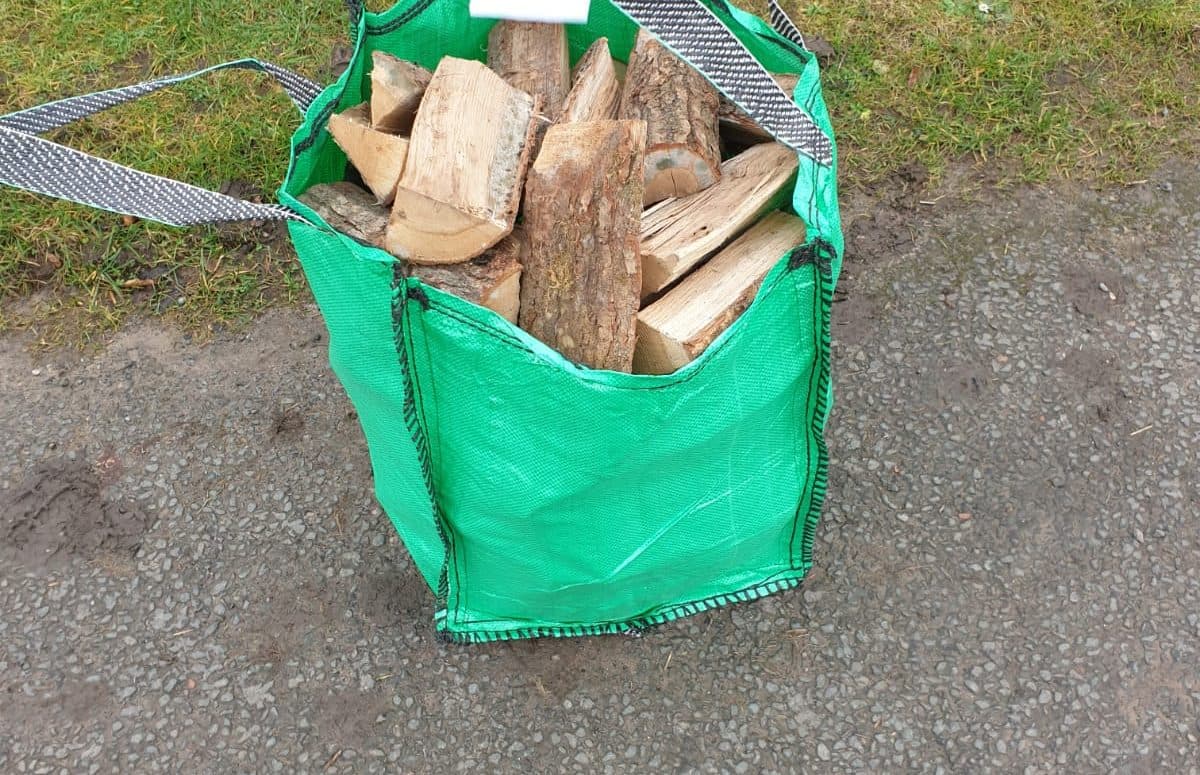
Every batch of our logs is kiln-dried and moisture-tested before it goes out, so it arrives at 20% or below. Order a Large Bag or Small Pallet for regular burning, or a Small Bag (£50.00) to try them. Dry kindling and firelighters help you get the stove hot quickly from the start.
Sources
- Defra: A guide to buying, storing and seasoning wood
- Defra: Open fires and wood-burning stoves, a practical guide (October 2023)
- HETAS: Top tips for keeping your stove glass clean
- HETAS: Why do I have creosote in my chimney?
- HETAS: Cold plug, winter safety advice for stove users
- HETAS: Why do I need my chimney swept?
- HETAS: When should my chimney be swept?
- HETAS: Wood burning guidance (holiday lets leaflet)
- Panamera stove instructions (manufacturer manual, hosted by HETAS)
- NHS: Carbon monoxide poisoning
- Burnright: How to burn right
- Burnright: Do's and don'ts
- Burnright: Overloading
- Burnright: Refuelling intervals