Choosing and buying firewood
Kiln-dried vs seasoned logs: what is the difference?
By Carl, Northwest Firewood Company ·
Kiln-dried logs are dried in a kiln, which can take wet wood down to 20% moisture or less in a matter of days. "Seasoned" just means wood that has been left to dry naturally, and there is no set standard for how long or how dry. Both can burn well. What matters is the moisture content, not the label.
What "kiln-dried" means
Kiln-dried logs are dried in a heated kiln rather than left outside. Defra's guide to buying firewood says kiln drying can convert unseasoned wood to ready to burn wood in a matter of days, and that kiln-dried wood should have a moisture content of 20% or less. Stored and packaged properly, it is ready to use the day it arrives.
That 20% figure is the one to remember. It is the level Defra treats as dry, and it is the threshold modern stoves are designed around: the same guide says stove fireboxes and air controls are built to get the most from wood at up to and including 20% moisture.
What "seasoned" means
Seasoned wood has been stacked and left to dry in the open air. The problem is that, in Defra's words, there is no set standard or method for "seasoned" firewood. The word can be used for any wood that has been stored for a while.
Done properly, it works. Defra says firewood air-dried under cover for at least 12 months, or two summers, can reach around 20% moisture, depending on the species, the climate and how it was stored. Wood that has only been seasoned for a few months may be much drier than fresh wood but still needs more time.
So "seasoned" can mean anything from properly dry to a few months off the tree. You cannot tell which from the word alone.
Kiln-dried vs seasoned at a glance
| Kiln-dried | Seasoned | |
|---|---|---|
| How it is dried | In a kiln | In the open air, under cover |
| How long it takes | Days | 12 months or more for most wood |
| Is there a standard? | Should be 20% moisture or less | No set standard |
| Ready to burn on delivery? | Yes, if stored properly | Only if it has been dried long enough |
Sources for the table: Defra seasoning guide.
Why the moisture content matters
Wet wood does not just burn badly, it costs you money and causes problems. According to Defra, unseasoned or wet wood can:
- be difficult to light or keep alight
- tar the inside of your stove and blacken the glass
- let more tar and soot build up in your chimney, raising maintenance costs and the risk of a chimney fire
- create a lot of smoke
- produce less heat
Defra's practical guide adds that wet wood creates smoke and harmful particulates when burned, and notes that wet or unseasoned wood is often sold in nets because it is cheaper.
What the law says about selling firewood
In England, wood sold in units of less than two cubic metres must be certified by an approved certification body and carry the certificate details. Larger loads of two cubic metres or more can still be sold wet, but they must come with a written notice saying the wood is not suitable for burning until it has been dried. If you buy a big load of cheap logs, check whether that notice came with it.
How to check if wood is dry
The most reliable way is a moisture meter. Defra recommends testing a random sample of split logs and looking for a reading of 20% or less. Our guide to log moisture content shows how to use a meter properly.
Without a meter, Defra lists these signs that logs are dry:
- Weight: comparing logs of a similar size and species, wet wood is heavier
- Sound: a hollow sound when you tap a log points to dry wood
- Cracked ends: splits in the end grain can point to dry wood
- Bark: the looser the bark, the drier the log
- Colour: dry wood can be lighter in colour
These are rough guides, not a guarantee.
Which should you buy?
If you want to burn straight away, kiln-dried takes the guesswork out. Seasoned wood can be just as good if it has genuinely had a year or more under cover, but you are relying on the seller's word unless you test it.
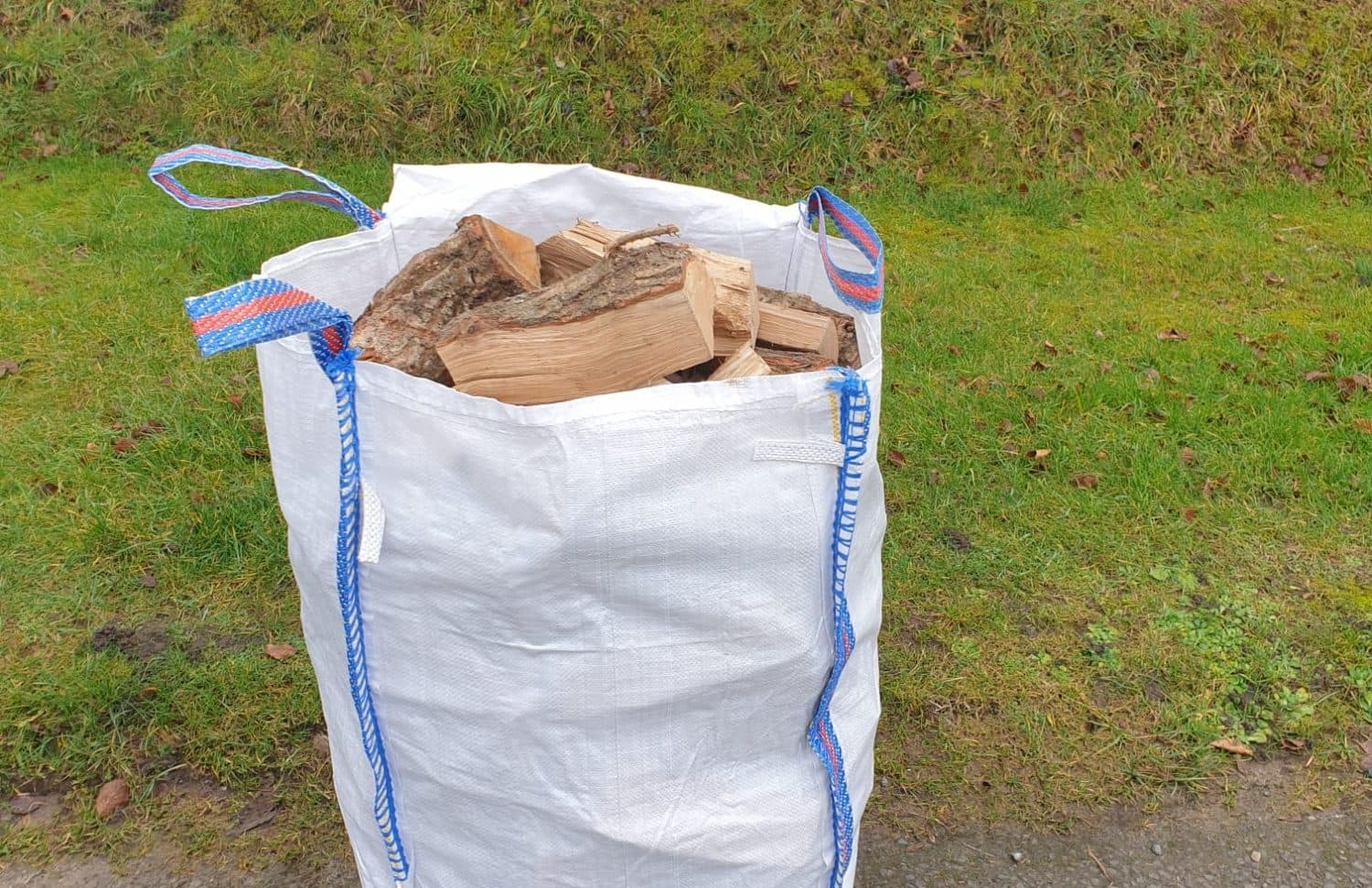
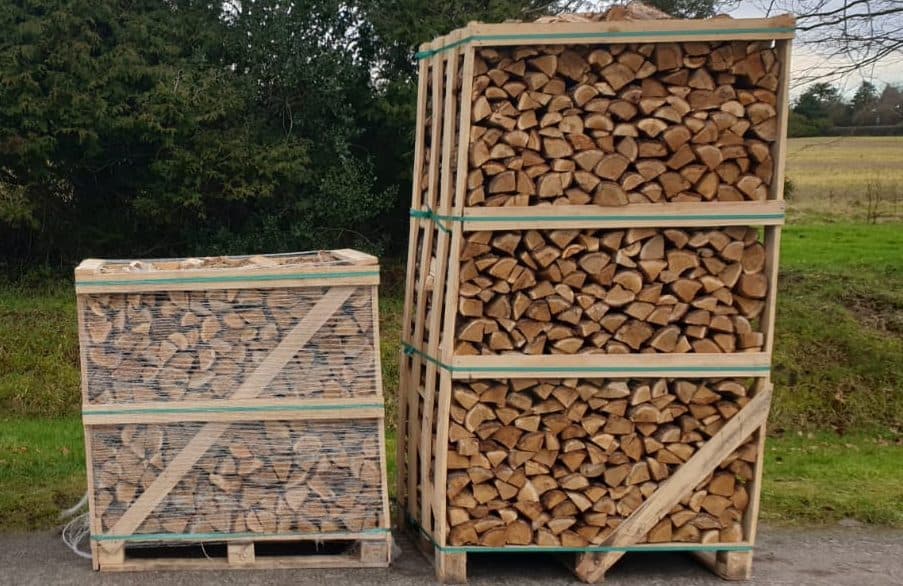
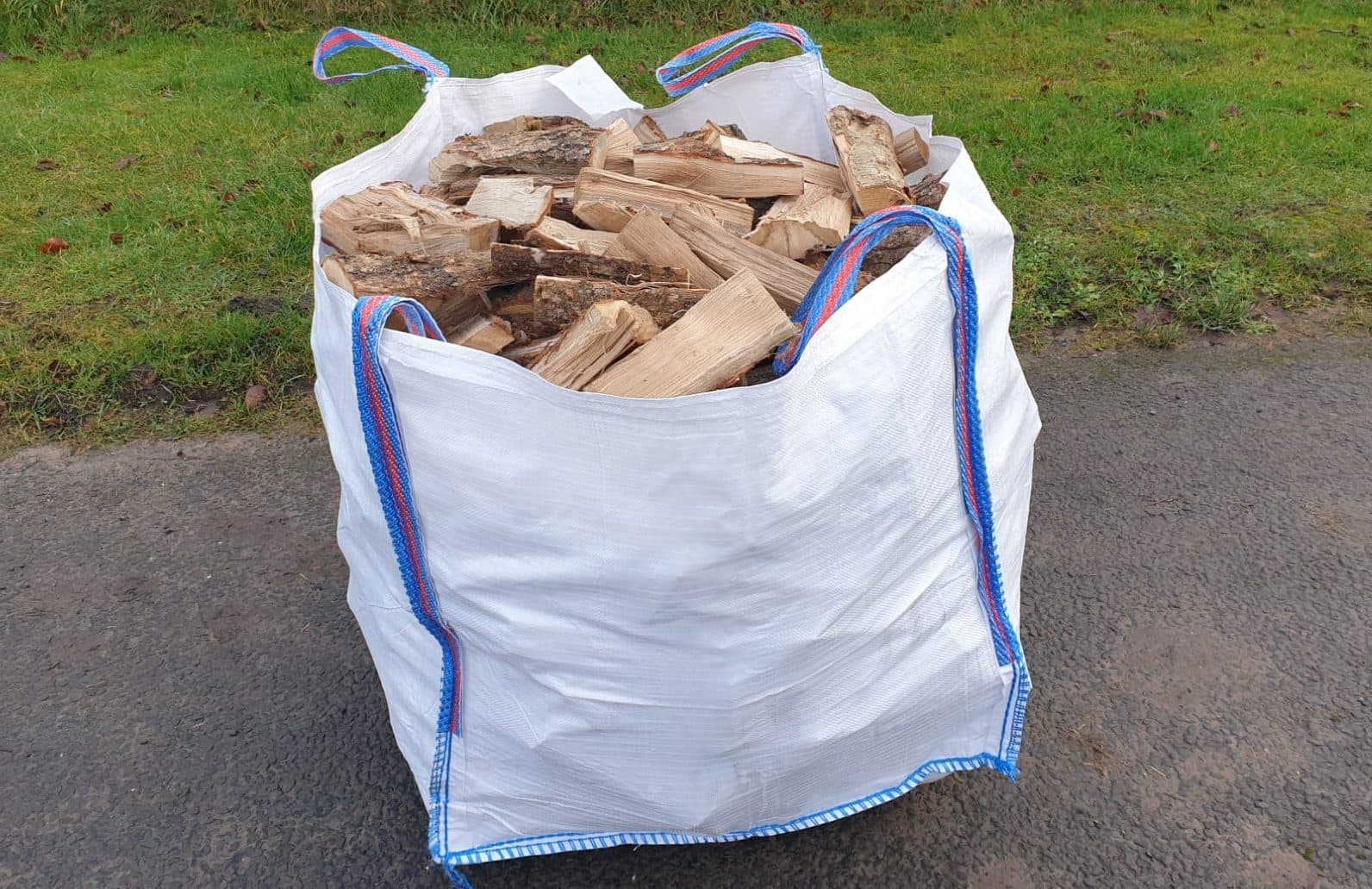
Every batch of our logs is kiln-dried and moisture-tested before it goes out, so it arrives at 20% or below. Our Large Bag and Small Pallet are the best value if you burn regularly, and the Barrow Bag suits smaller stores. Not sure which size? Our guide to what size of firewood you need walks through it.
Common mistakes
- Trusting the word "seasoned" on its own. Ask how long the wood has been drying and how it was stored, or test it.
- Leaving dry wood out in the rain. Kiln-dried wood will not stay dry uncovered. Defra's advice is to keep any firewood under cover and in the dry before you burn it.
- Testing one log and calling it done. Defra suggests testing a random sample of split logs, not just one.
Questions people ask
Is kiln-dried wood better than seasoned?
Not automatically. Both are fine at 20% moisture or less. Kiln-dried wood is simply more predictable: it should be 20% moisture or less, while "seasoned" has no fixed standard.
How long does it take to season logs?
Defra says natural seasoning is likely to take two summers or more, with the logs split, stacked off the ground, and kept under a waterproof cover with open sides.
Can you burn wet wood in a log burner?
You can light it, but you should not. It produces more smoke and less heat, and it leaves tar and soot in your stove and chimney. Dry it to 20% or less first.