Choosing and buying firewood
What size of firewood do I need? Bags, barrow bags and pallets compared
By Carl, Northwest Firewood Company ·
Buy a small bag or barrow bag if you light the fire now and then, a large bag if you burn most evenings through the colder months, and a pallet if your stove is a main source of heat and you have somewhere dry to keep it. Bigger orders cost less per cubic metre, but only if you can store them properly.
What each size actually holds
The figures below are the outside dimensions of each bag, worked out as a volume. Logs are tipped in loose rather than stacked, so treat these as bag sizes, not solid wood.
| Bag | Size | Bag volume | Price (1 bag) | Per m³ |
|---|---|---|---|---|
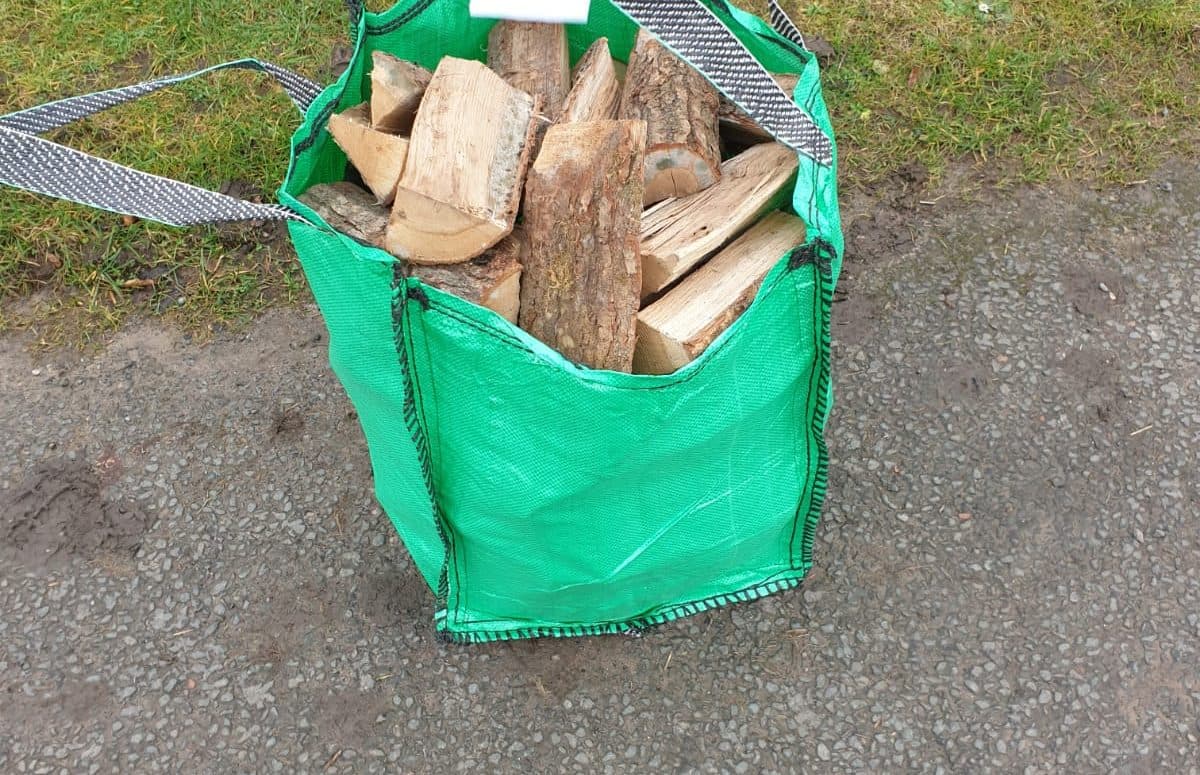
| Small Bag | 45 x 45 x 60cm | 0.12 m³ (122 litres) | £50.00 | £411.52 |
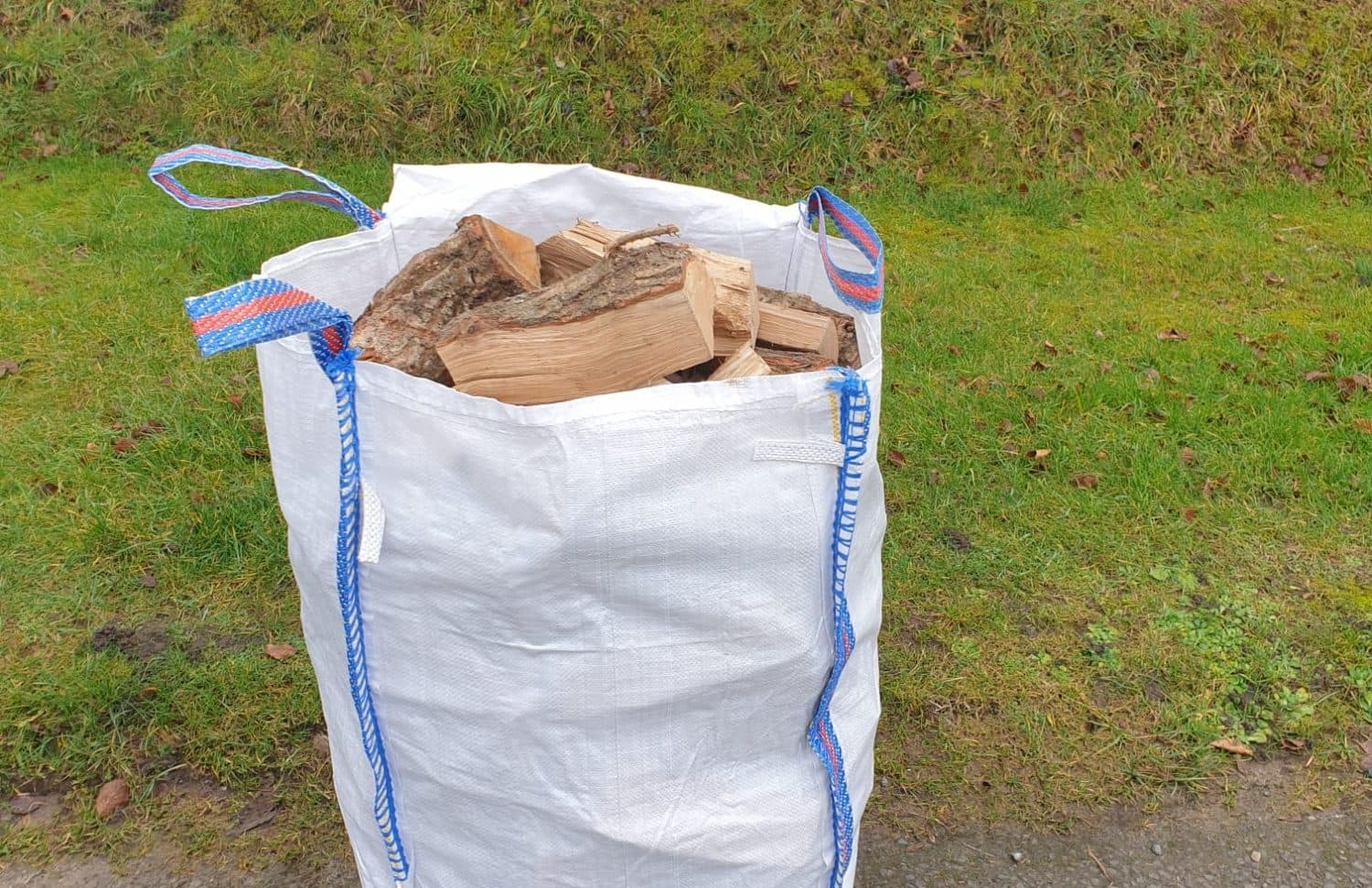
| Barrow Bag | 50 x 50 x 100cm | 0.25 m³ (250 litres) | £70.00 | £280.00 |
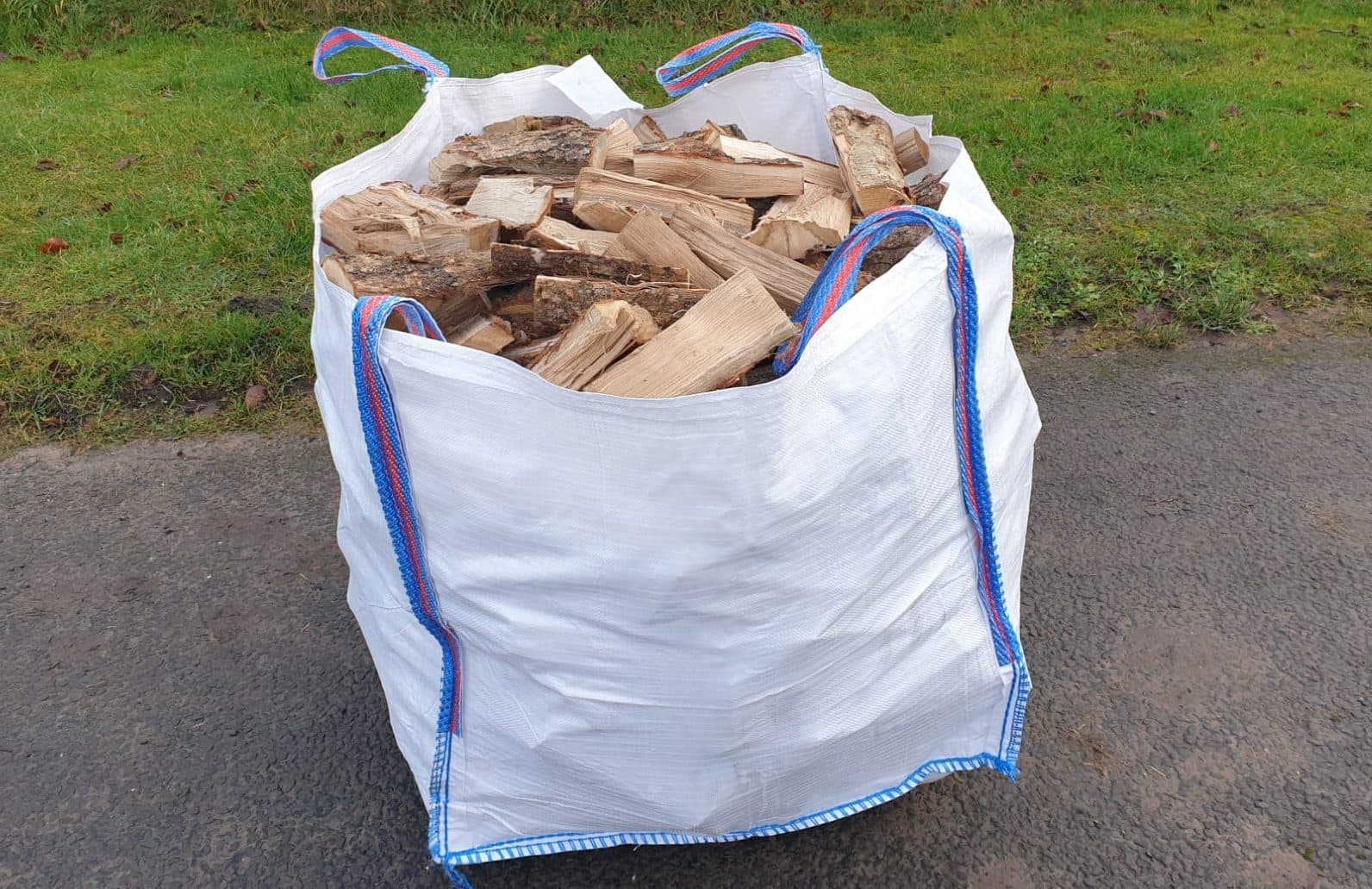
| Large Bag | 80 x 80 x 80cm | 0.51 m³ (512 litres) | £125.00 | £244.14 |
A few things jump out from that table:
- The large bag is the best value bag. It holds roughly four times the volume of a small bag, and costs far less per cubic metre.
- The small bag is the most expensive way to buy. That is fine if you only want a few fires, but it adds up quickly if you are burning every night.
- Buying in multiples saves more. Two or three of any bag costs less per bag than buying them one at a time. Three large bags come to £345.00 rather than three times £125.00.
Our Small Pallet is £270.00 and is aimed at households stocking up for the season.
Work out how much you burn
Nobody can tell you exactly how many logs you will get through, because it depends on the size of your stove, how often you light it, how well insulated the house is and how dry the wood is. Wet wood is a big one: Defra's guidance is that unseasoned wood is harder to keep alight and produces less heat, so you burn more of it for the same warmth.
The most reliable way to size your order is to measure your own use:
- Order a single bag in the size you think is about right.
- Count how many fires you get out of it, and how many fires you light in a typical week.
- Multiply up to the number of weeks you expect to burn, then pick the combination of bags or pallets that covers it at the lowest price per cubic metre.
If one bag lasts you a week and you burn from October to February, you are looking at around twenty bags' worth across the season, and that is the point where a pallet starts to make more sense than repeat orders.
Which size suits which home
Small bag
The Small Bag suits occasional use: a fire at the weekend, a rental with a stove, or topping up when you have run low before a bigger delivery. It is also the easiest to carry through a house, which matters on terraced streets without side access.
Barrow bag
The Barrow Bag is the middle ground. At 50 x 50 x 100cm it holds about twice what a small bag does and still fits through most front doors and down most entries.
Large bag
The Large Bag is the sensible choice for regular burning if you have a bit of outdoor space, a garage or a log store. It is the cheapest bag per cubic metre on the site.
Pallet
A pallet suits households where the stove does real heating work through the winter. It needs a drop point we can reach, such as a driveway or yard, and somewhere covered to keep it. On our Liverpool and Birkenhead pages we explain why many terraced streets suit bags better.
Storage decides how big you can go
Buying a season's worth of wood only pays off if it stays dry. Defra advises that whatever firewood you buy, you should keep it under cover and in the dry before you burn it, ideally off the ground with the sides open so air can move through. Burnright gives the same advice: store and stack your logs so they are well ventilated.
If the only place you have is an open patio, a smaller order more often will burn better than a pallet sitting in the rain.
Common mistakes
- Buying the cheapest bag repeatedly. The small bag is convenient, but if you are reordering every week, a large bag or pallet will save money over the season.
- Ordering a pallet with nowhere to put it. Think about where it will be set down and where it will live before you order. No back access? See your options for a pallet of logs.
- Wrapping the whole stack. Defra's advice for drying wood is a waterproof cover with open sides so the stack stays well aired. Cover the top, not everything.
Questions people ask
How long does a bag of logs last?
It depends on the bag size, your stove and how often you light it, so the honest answer is to try one and count. The method above will give you a figure for your own home within a week or two. Our guide to how long a bag of logs lasts also converts a winter's worth of wood into bags.
Is a pallet of logs cheaper than bags?
Usually yes, per cubic metre, because you are buying in bulk. The catch is storage: a pallet only saves money if you can keep the wood dry until you use it.
What size logs are best for a stove?
Burnright recommends logs of 100 to 150mm (4 to 6 inches) in diameter, and advises against very large logs. Check your stove's manual for the maximum length that fits your firebox.
Ordering for your area
We deliver free across Merseyside, West Lancashire and the Wirral. Check your postcode below, or see all the towns we cover. If you are still not sure which size fits, ring or message us and we will talk it through.