Smoke control and the rules
Smoke control areas in Liverpool, Wirral and across Merseyside: a council-by-council guide
By Carl, Northwest Firewood Company · Updated
In a smoke control area you can only burn wood in a Defra-exempt appliance, usually a stove on Defra's approved list. That applies whether the wood is kiln-dried or not. Across Merseyside and West Lancashire the picture is different in every council: the whole of Wirral is a smoke control area, most of St Helens is, parts of Sefton and West Lancashire are, and Liverpool has older orders covering parts of the city plus a proposed citywide order that has not yet been confirmed.
This guide gives the smoke control status for every council area we deliver to, a postcode district lookup, and the steps to check your own address and stove. It is general information, not legal advice. Your council is the final word on whether your home is covered.
Last checked: 26 October 2026.
Smoke control areas, council by council
| Council | Status | Source |
|---|---|---|
| Wirral | Whole borough, since 1 August 2025 | Wirral Council |
| Liverpool | Parts of the city. A citywide order is proposed but not confirmed, with no start date | London Gazette, committee decision |
| St Helens | Most of the borough | St Helens Council |
| Sefton | Certain districts. Check the map | Sefton Council |
| Knowsley | No published list. Ask the council | Knowsley Council leaflet |
| West Lancashire | Six named areas, centred on Skelmersdale and Up Holland | West Lancashire Borough Council |
| Cheshire West and Chester (Neston, CH64) | Four named areas. Neston is not one of them | Cheshire West and Chester Council |
Wherever you are, the national rules on the GOV.UK smoke control page apply inside a smoke control area.
Find your council by postcode district
Postcode districts don't follow council boundaries, so some districts are split between two or three councils. We matched each district we deliver to against ONS and Ordnance Survey postcode data via postcodes.io. Where a district is split, the main council comes first. If you live near a boundary, check your full address with the council.
| Council | Postcode districts |
|---|---|
| Liverpool | L1, L2, L3 (city centre), L4 (Walton), L5 (Everton), L6 (Kensington), L7 (Edge Hill), L8 (Toxteth), L9 (Aintree, a few streets in Sefton), L11 (Croxteth), L12 (West Derby), L13 (Old Swan), L14 (Knotty Ash, with Page Moss and Swanside in Knowsley), L15 (Wavertree), L16 (Childwall, a few streets in Knowsley), L17 (Aigburth), L18 (Mossley Hill), L19 (Garston), L24 (Speke, with Hale village in Halton), L25 (Woolton, part in Knowsley), L27 (Netherley) |
| Split three ways | L10: Fazakerley is Liverpool, Aintree village is Sefton, Cherryfield in Kirkby is Knowsley |
| Sefton | L20 (Bootle, a few streets in Liverpool), L21 (Litherland), L22 (Waterloo), L23 (Crosby), L29 (Sefton village), L30 (Netherton), L31 (Maghull, a few addresses in West Lancashire), L37 (Formby, a few addresses in West Lancashire), L38 (Hightown), PR8 (Southport, rural edge in West Lancashire), PR9 (Southport, with Banks and North Meols in West Lancashire) |
| Knowsley | L26 (Halewood), L28 (Stockbridge Village, a few streets in Liverpool), L32 (Kirkby), L33 (Kirkby, a few addresses in West Lancashire), L34 (Prescot, with the Eccleston side in St Helens), L36 (Huyton) |
| Split Knowsley and St Helens | L35: Whiston and Prescot South are Knowsley, Rainhill is St Helens |
| St Helens | WA9 (St Helens), WA10 (St Helens), WA11 (Rainford and Haydock), WA12 (Newton-le-Willows) |
| West Lancashire | L39 (Ormskirk), L40 (Burscough and Rufford, with Croston and Mawdesley in Chorley), WN8 (Skelmersdale), PR4 (Tarleton and Hesketh Bank) |
| Wirral | CH41 (Birkenhead), CH42 (Tranmere), CH43 (Oxton), CH44 (Wallasey), CH45 (New Brighton), CH46 (Moreton), CH47 (Hoylake), CH48 (West Kirby), CH49 (Greasby), CH60 (Heswall), CH61 (Pensby), CH62 (Bromborough), CH63 (Bebington) |
| Cheshire West and Chester | CH64 (Neston, Parkgate, Little Neston and Willaston) |
PR4 is a large district that also covers villages in Fylde, Preston, South Ribble and Wyre. This guide covers the West Lancashire part around Tarleton and Hesketh Bank.
What a smoke control area is
A smoke control area is a legally defined area where you cannot release smoke from a chimney. Councils declare them under the Clean Air Act 1993.
In one, you have two options:
- Burn an authorised fuel. These are smokeless fuels such as anthracite, plus products on Defra's authorised fuels list.
- Burn another fuel in an exempt appliance. GOV.UK says unauthorised fuels, such as wood, can only be burned in exempt appliances, such as certain stoves, boilers and cookers that Defra has approved.
Wood is not an authorised fuel. So in a smoke control area, wood goes in a Defra-exempt stove or not at all.
Can you have an open fire in a smoke control area?
Not with wood. An open fireplace is not an exempt appliance, and the Burnright campaign puts it plainly: don't burn wood or coal on open fires in smoke control areas. Knowsley Council's leaflet gives the same advice to avoid open fires in smoke control areas. On an open fire in a smoke control area, you are limited to authorised smokeless fuels.
Is my stove exempt?
Not every stove is, and a new stove is not automatically exempt. Defra's practical guide says you can only burn wood in an Ecodesign stove if it also appears on the list of Defra approved appliances. To check yours:
- Find the make and exact model. It is usually on a plate on the stove or in the manual.
- Look it up on Defra's list for England. The exempt appliances list names each appliance and its manufacturer.
- Read the "permitted fuels" entry. Each listed appliance is exempt only for the fuels shown against it, and some carry conditions. One entry, for example, reads "wood logs with a maximum moisture content of 20%".
- Use it as the manufacturer says. GOV.UK says you must only use the types of fuel that the manufacturer says can be used, and Defra says exempt appliances should be correctly installed and properly maintained, including flues and chimneys.
- If you can't find it, ask. GOV.UK points you to your council's environmental services team. Knowsley's leaflet says its Environmental Health team can confirm whether a fuel or appliance is allowed.
What are the fines?
According to GOV.UK:
- you can be fined up to £300 if your chimney releases smoke in a smoke control area
- you can be fined up to £1,000 if you buy unauthorised fuel to use in an appliance that is not approved by Defra
Defra's practical guide puts the smoke penalty at between £175 and £300. Knowsley's leaflet adds that failing to pay a £300 fixed penalty could lead to prosecution and a fine of up to £1,000, and that smoke causing a statutory nuisance can be prosecuted whether or not you are in a smoke control area.
Liverpool: is the whole city a smoke control area yet?
Not as far as we can confirm. Liverpool already has smoke control orders covering parts of the city, made over several decades. The council has started replacing them with a single citywide order, but the process is not finished. Here is what the public record shows:
- 17 February 2025: the council made the Liverpool City Council Smoke Control (Revocation) Order 2025, which revokes orders made before 13 November 1980. It needs confirmation by the Secretary of State and would not come into operation earlier than six months after confirmation.
- 20 and 27 February 2025: the council gave notice of a proposed Liverpool City Council Smoke Control Order 2025, which would declare the whole of the council's area a smoke control area. Objections closed on 17 April 2025.
- 27 August 2025: the Highways and Public Spaces Representations Committee resolved that, subject to confirmation by the Secretary of State of the revocation order, the council would make the order declaring the whole city a smoke control area.
- Once made, the citywide order takes effect on the date it specifies, which must be at least six months after it is made.
What is unconfirmed. As of 26 October 2026 we could not find a Gazette notice, council page or news report saying the Secretary of State has confirmed the revocation order, that the citywide order has been made, or when it starts. A Gazette search for Liverpool smoke control notices returns only the February 2025 notices, and the council's consultation page no longer loads. So there is no confirmed start date.
What it means for you. If your street is in one of the existing orders, the rules already apply. If it isn't, they are likely to apply once the citywide order starts. Either way, if you burn wood anywhere in Liverpool, it makes sense to use an exempt stove now. We will update this page as soon as a start date is published.
See our Liverpool delivery page.
Wirral: Birkenhead, Heswall and West Kirby
Wirral Council revoked 26 older orders and replaced them with one order covering the whole of Wirral, which came into effect on 1 August 2025. If you live anywhere in the borough, including Birkenhead, Heswall and West Kirby, you are in a smoke control area.
Neston, Parkgate and Willaston (CH64) are on the Wirral peninsula but sit in Cheshire West and Chester, not Wirral borough. See below.
Sefton: Southport, Formby, Crosby and Bootle
Sefton Council says that certain districts within Sefton have been declared smoke control areas. It does not list them by town. Instead it points residents to Defra's map and to the smoke control layer on the council's own mapping tool, both linked from that page. Southport, Formby and Crosby households, and those in Bootle, Maghull and the rest of the borough, should check their own street.
Knowsley: Huyton, Kirkby, Prescot and Halewood
Knowsley Council does not publish a list or map of its smoke control areas online that we could find. Its leaflet explains the rules and the £300 penalty, and says to contact Environmental Health on environmentalhealth@knowsley.gov.uk or 0151 443 4712 if you are unsure whether your fuel or appliance is allowed. Ask them whether your address is covered.
St Helens: Rainhill, Rainford and Newton-le-Willows
St Helens Council says the vast majority of St Helens is within a Smoke Control Zone, with only a few areas that are not. It does not list the exceptions, so assume you are covered unless the council tells you otherwise. The page gives environmentalhealth@sthelens.gov.uk as the contact.
West Lancashire: Ormskirk, Burscough, Skelmersdale and Tarleton
West Lancashire Borough Council lists its smoke control areas as Skelmersdale, Up Holland, Crawford Village, part of Roby Mill, part of Tontine, and Holland Moss, including Nipe Lane and Pimbo. Ormskirk, Rufford, Burscough, Tarleton and Hesketh Bank are not on that list. Councils can change their orders, so confirm with the council if you are unsure.
Cheshire West and Chester: Neston and Parkgate
Cheshire West and Chester Council lists four smoke control areas: Ellesmere Port, Helsby and Frodsham, Northwich, and Winsford, each with a downloadable map. Neston and Parkgate are not among them. If you live towards the Ellesmere Port side of CH64, check the Ellesmere Port map on that page.
Edges of the area: Halton and Chorley
A few addresses in districts we deliver to fall in other councils. Hale village (L24) is in Halton, and we could not find a current smoke control page from Halton Borough Council, so ask the council directly. Croston and Mawdesley (L40) are in Chorley, where some areas have been designated smoke control areas and the council publishes a map. If you are not sure which council you are in, GOV.UK has a find your local council tool.
How to check your address
- Find your council using the postcode table above.
- Look it up on Defra's map. The UK-AIR smoke control area map covers England, but Defra says the data is indicative only. The map was offline for maintenance when we last checked, so go straight to step 3 if it won't load.
- Confirm with your council. GOV.UK advises contacting your council's environmental services team to check whether you live in a smoke control area.
- Check your stove against Defra's list, using the steps above.
What about chimineas, fire pits and bonfires?
The rules are about smoke from chimneys. GOV.UK says you can use outdoor barbecues, chimineas, fireplaces or pizza ovens in smoke control areas. Sefton notes that the restriction does not apply to bonfires, though the usual bonfire rules and nuisance law still do. One catch: a chimney on a summerhouse or other outbuilding counts, so the same fuel rules apply unless the appliance is exempt. See our guide to the best wood for a fire pit.
Does dry wood make a difference?
Not to the law. Kiln-dried wood still counts as an unauthorised fuel in a smoke control area. What dry wood does do is burn with much less smoke than wet wood. Defra lists a lot of smoke as one of the effects of burning unseasoned logs, which matters when the rule is about smoke from your chimney. Burnright adds that, apart from just after lighting or refuelling, you should not see smoke from the top of the chimney. Our guide to lighting a log burner covers the top-down method, which helps keep smoke down from the start.
Global Action Plan's Clean Air Night, which this year focuses on the health harms of wood burning, takes place on 17 November 2026.
Common mistakes
- Assuming a new or Ecodesign stove is exempt. It has to be on Defra's approved list. Check the exact model.
- Thinking kiln-dried logs are a smokeless fuel. They are not authorised fuel. They are the right fuel for an exempt stove, not a way around the rules.
- Going by postcode district alone. Many districts here cross a council boundary, and a smoke control area can stop part-way through a village, as with part of Roby Mill in West Lancashire. Check your full address.
- Waiting for Liverpool's start date. Parts of the city are already covered by older orders.
Questions people ask
Is Liverpool a smoke control area?
Parts of it are, under orders made over several decades. The council approved a citywide order in August 2025, subject to the Secretary of State confirming a revocation order. As of 26 October 2026 we could not find confirmation or a start date. Check your street with Liverpool City Council.
Is all of Wirral a smoke control area?
Yes. Since 1 August 2025 a single order has covered the whole of Wirral. Neston and Parkgate are in Cheshire West and Chester, which has different rules.
Am I in a smoke control area by postcode?
A postcode district is only a starting point, because districts cross council boundaries. Use the table above to find your council, then check your full address on Defra's map and confirm with the council.
Can I have a log burner in a smoke control area?
Yes, if it is a Defra-exempt appliance and you burn only the fuels listed for it. Wood in a non-exempt stove or on an open fire risks a fine of up to £300.
Is Sefton a smoke control area?
Partly. Sefton says certain districts are smoke control areas and asks residents to check the map. Southport, Formby and Crosby households should check their own street.
Logs for an exempt stove
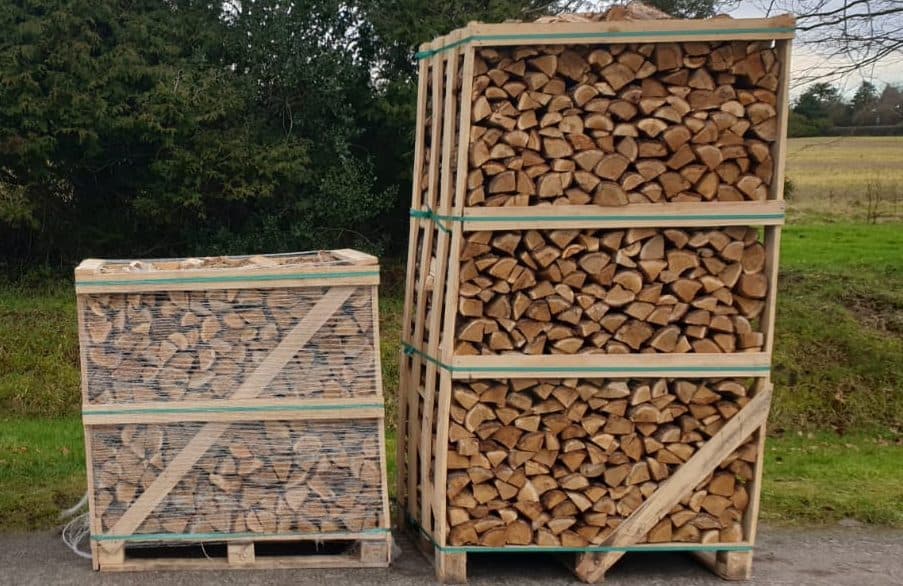
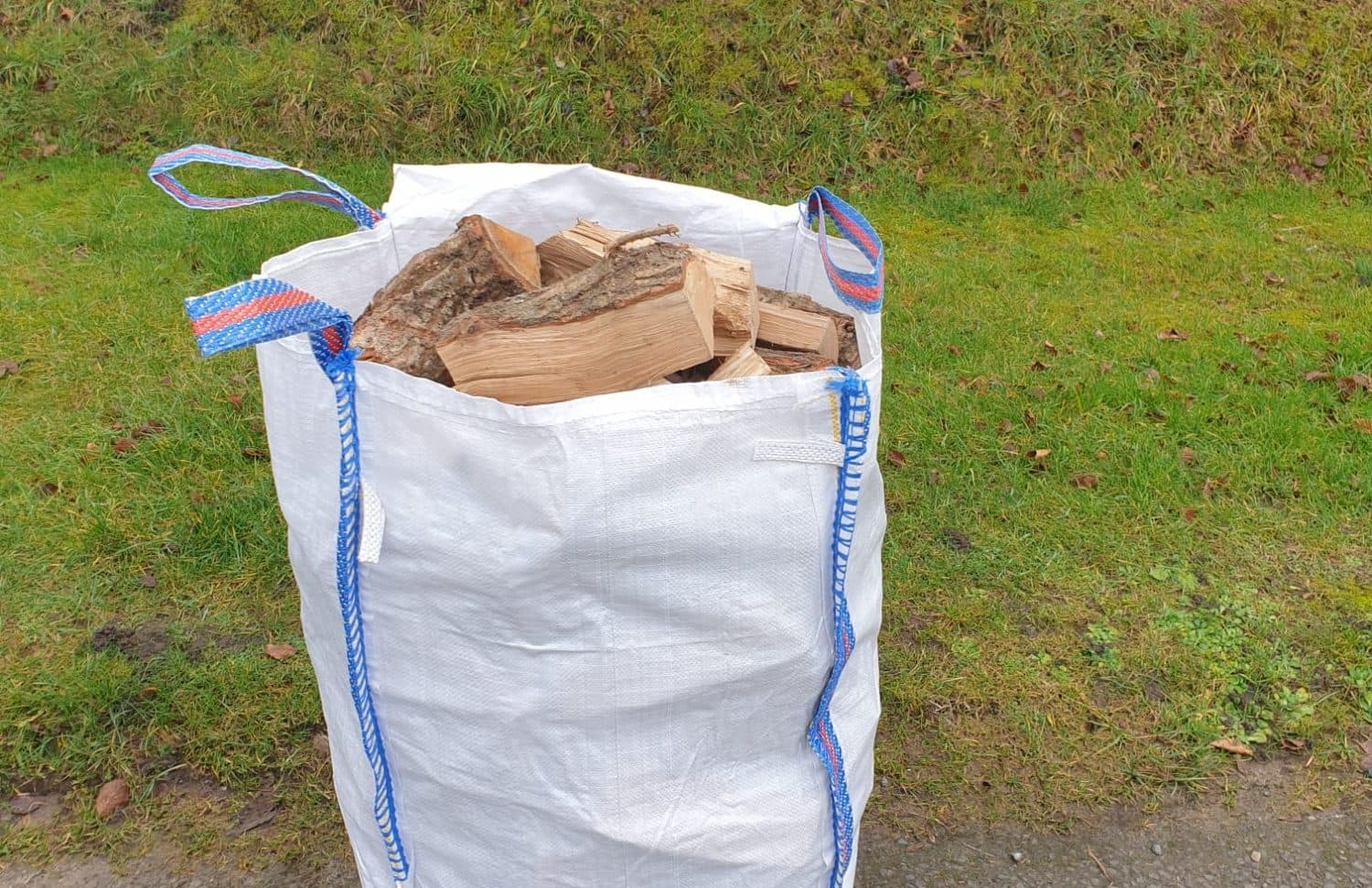
If you have an exempt stove, dry logs are the right fuel for it. Our Small Pallet and Large Bag are both kiln-dried, and we explain the difference in kiln-dried vs seasoned logs.
Sources
- GOV.UK: Smoke control areas, the rules
- Defra: Open fires and wood-burning stoves, a practical guide (October 2023)
- Defra UK-AIR: Smoke control area map (indicative)
- Defra: Authorised fuels and exempt appliances
- The London Gazette: Liverpool City Council smoke control notice, February 2025
- Sefton Council: Smoke control areas
- Wirral Council: Smoke control areas
- West Lancashire Borough Council: Smoke control areas
- Burnright: Do's and don'ts
- Defra: A guide to buying, storing and seasoning wood
- Liverpool City Council: Highways and Public Spaces Representations Committee, 27 August 2025 (city-wide smoke control order)
- Knowsley Council: Keep it Clean, smoke control areas and safe heating leaflet
- St Helens Council: Smoke control
- Cheshire West and Chester Council: Smoke control areas
- Chorley Council: Smoke control areas
- Defra: Exempt appliances, England list
- Defra: Exempt appliances
- GOV.UK: Find your local council
- postcodes.io: postcode lookup using Ordnance Survey and ONS data
- Global Action Plan: Clean Air Night brought forward to 17 November 2026