Using a log burner
How often should you sweep your chimney? Plus chimney fire warning signs
By Carl, Northwest Firewood Company ·
If you burn wood, HETAS says you should have your chimney swept at least twice a year: once just before the heating season and again after the peak of winter. Merseyside Fire and Rescue Service goes further and says a wood-burning chimney should be swept quarterly when in use. So twice a year is the minimum, and if your stove runs most evenings from October to March, more often is sensible.
Further down there are two short checklists you can print or share: what to do before the sweep arrives, and the warning signs of a chimney fire.
How often should you sweep your chimney?
It depends on what you burn. Here is how the two main sources compare.
| Fuel | HETAS | Merseyside Fire and Rescue |
|---|---|---|
| Wood | At least twice a year | Quarterly when in use |
| Bituminous (house) coal | Not stated on its sweeping page | At least twice a year |
| Smokeless fuel | At least once a year | At least once a year |
| Oil | Not stated on its sweeping page | Once a year |
| Gas | Not stated on its sweeping page | Once a year, by a Gas Safe sweep |
Sources for the table: HETAS, Merseyside Fire and Rescue Service.
Greater Manchester Fire and Rescue Service gives a similar range for wood: up to four times a year. HETAS also says that if you use your stove a lot, it may be best practice to sweep more often. Your sweep can tell you what your chimney needs once they have seen it.
When to book
HETAS says the best times are just before the heating season starts, and after the stove has gone unused for a long time. If you sweep twice a year, the second sweep should come after the peak of the main heating season. Sweeps are busiest at those times, so book early.
If your stove is already in use this winter and it has not been swept since last season, book one now rather than waiting until spring.
Signs your chimney needs sweeping now
HETAS lists these as signs that you should stop using the appliance and book a sweep as soon as possible:
- smoke comes back into the room while the stove is in use
- a persistent bad smell when you have not lit a fire
- tar around the flue entrance or damper
- soot falling back into the stove
- the fire is not burning as well as usual, and nothing else has changed
- birds around the top of the chimney, or frequent scratching (they may be nesting)
If smoke is coming into the room or the glass keeps blackening, our guide to why log burner glass goes black or smoky goes through the other causes too.
Why sweeping matters
Every fire leaves deposits behind. Defra's guide to stoves and open fires says soot and tar build up in the chimney during use, which lowers efficiency and raises the risk of a chimney fire. HETAS adds that a blocked chimney can lead to dangerous gases re-entering the room, because carbon monoxide from the fire has to escape up the flue. That is why Merseyside Fire and Rescue's advice is to get flues and chimneys checked and swept to prevent chimney fires and CO poisoning.
What you burn makes a difference too. Greater Manchester Fire and Rescue Service names four main causes of chimney fires: infrequent sweeping, burning unseasoned wet wood, the wrong size of stove for the room, and leaving wood slumbering overnight. Defra says wet wood creates smoke and harmful particulates and can damage your stove and chimney, and that dry wood should be at 20% moisture or less. Our guide to log moisture content explains how to check.
Chimney fire warning signs and what to do
We could not find a list of chimney fire signs on Merseyside Fire and Rescue Service's website, so this section uses the advice from our neighbours at Greater Manchester Fire and Rescue Service. It says flue temperatures in a chimney fire can reach 1000°C, and that a chimney fire can happen without any of the usual signs, so treat the list as a guide only.
The signs:
- a loud roaring noise, from large amounts of air being pulled through the stove or fireplace
- sparks and flames shooting from the top of the chimney
- a glowing or shimmering flue pipe where it joins the stove
- the stove or flue pipe vibrating
- flames visible through tiny cracks in the flue pipe
- smoke or a burning smell in the next room or the loft
- the chimney breast or flue getting hot, in the same room or rooms it passes through
What to do:
- Call 999. If you are at all worried about your safety, get out and stay out.
- Shut the air vents and flue dampers on the stove, if it is safe to do so, to cut the fire's air supply.
- Move furniture, ornaments and anything flammable away from the fireplace and from any part of the chimney breast that is getting hot.
- Make sure firefighters can get into the loft.
- Do not pour water on a stove, and do not pour salt on the fire. GMFRS warns that salt can create chlorine gas.
After the fire is out, GMFRS says the chimney must be inspected by a qualified sweep before it is used again.
Printable checklists: before the sweep, and chimney fire warning signs
These two checklists are free to print, share or link to. Every point comes from the sources named underneath.
Before the sweep comes
- Book a qualified sweep, for example a HETAS Approved Chimney Sweep.
- Ask the sweep if they want the fire left unlit beforehand, and for how long.
- Clear a path to the fireplace and give the sweep room to work.
- Take ornaments off the hearth and mantelpiece.
- Empty the grate or stove of fuel, ash and rubbish. Only handle ash once it has fully cooled.
- Note anything to tell the sweep: smoke coming into the room, smells, soot or tar, birds, or the fire not burning well.
- Ask to see the sweep's identification before they start.
- Keep the paperwork you are given after the sweep.
- Put the next sweep in your diary. For wood, that is at least twice a year.
Sources: NACS, HETAS, HETAS, Greater Manchester Fire and Rescue Service.
Chimney fire: warning signs
- A loud roaring noise from the stove or chimney
- Sparks or flames coming out of the chimney top
- The flue pipe glowing, shimmering or vibrating
- Flames seen through cracks in the flue pipe
- Smoke or a burning smell in another room or the loft
- The chimney breast getting hot
If you see any of these: call 999. Get out and stay out if you are worried. If it is safe, shut the stove's air vents and flue damper and move anything flammable away. Never pour water on a stove. Have the chimney inspected before you light it again.
Choosing a chimney sweep
HETAS recommends a HETAS Approved Chimney Sweep and works with the main sweeping bodies: the Association of Professional and Independent Chimney Sweeps, the Guild of Master Chimney Sweeps, the National Association of Chimney Sweeps and Sweep Safe. Its approved sweeps carry an identity card, and HETAS says to always ask to see it before any work starts.
You can search for an approved sweep near you by postcode on the HETAS website. HETAS says its approved sweeps give you documentation after a successful sweep.
Common mistakes
- Sweeping once a year for a wood burner. HETAS says at least twice for wood. Once a year is its minimum for smokeless fuel.
- Waiting for a problem before booking. Signs like smoke in the room mean the chimney already needs attention.
- Burning wet wood. It is one of the main causes of chimney fires that GMFRS names. Wood should be at 20% moisture or less, as Defra advises.
- Slumbering the stove overnight. GMFRS lists overnight burning and smouldering as a cause of chimney fires, and Defra advises against it.
- Throwing water on a chimney fire in a stove. Call 999, shut the air vents and leave it to the fire service.
- Lighting up again straight after a chimney fire. Get it inspected first.
Questions people ask
Do log burners need their chimney swept?
Yes. A log burner burns wood, and HETAS says chimneys used for wood should be swept at least twice a year. The deposits that build up are what cause chimney fires and blockages.
Is it worth sweeping in the middle of winter?
Yes, if the stove is in heavy use or you have not had it swept since last season. HETAS's timing advice is just before the heating season and again after the peak, but if your chimney is showing warning signs, book now whatever the month.
What should I do after a chimney fire?
Do not use the stove or fire until a qualified sweep has inspected the chimney for damage. Greater Manchester Fire and Rescue Service says this should happen as soon as possible after the fire is out.
Do I need a carbon monoxide alarm as well?
You should have one. A sweep keeps the flue clear, but an alarm warns you if fumes get into the room anyway. Our guide to carbon monoxide alarms and log burners covers the rules and where to fit one.
Can I burn the Christmas tree or wrapping paper in my stove?
No. Fire services advise against both. See what not to burn at Christmas.
Dry logs between sweeps
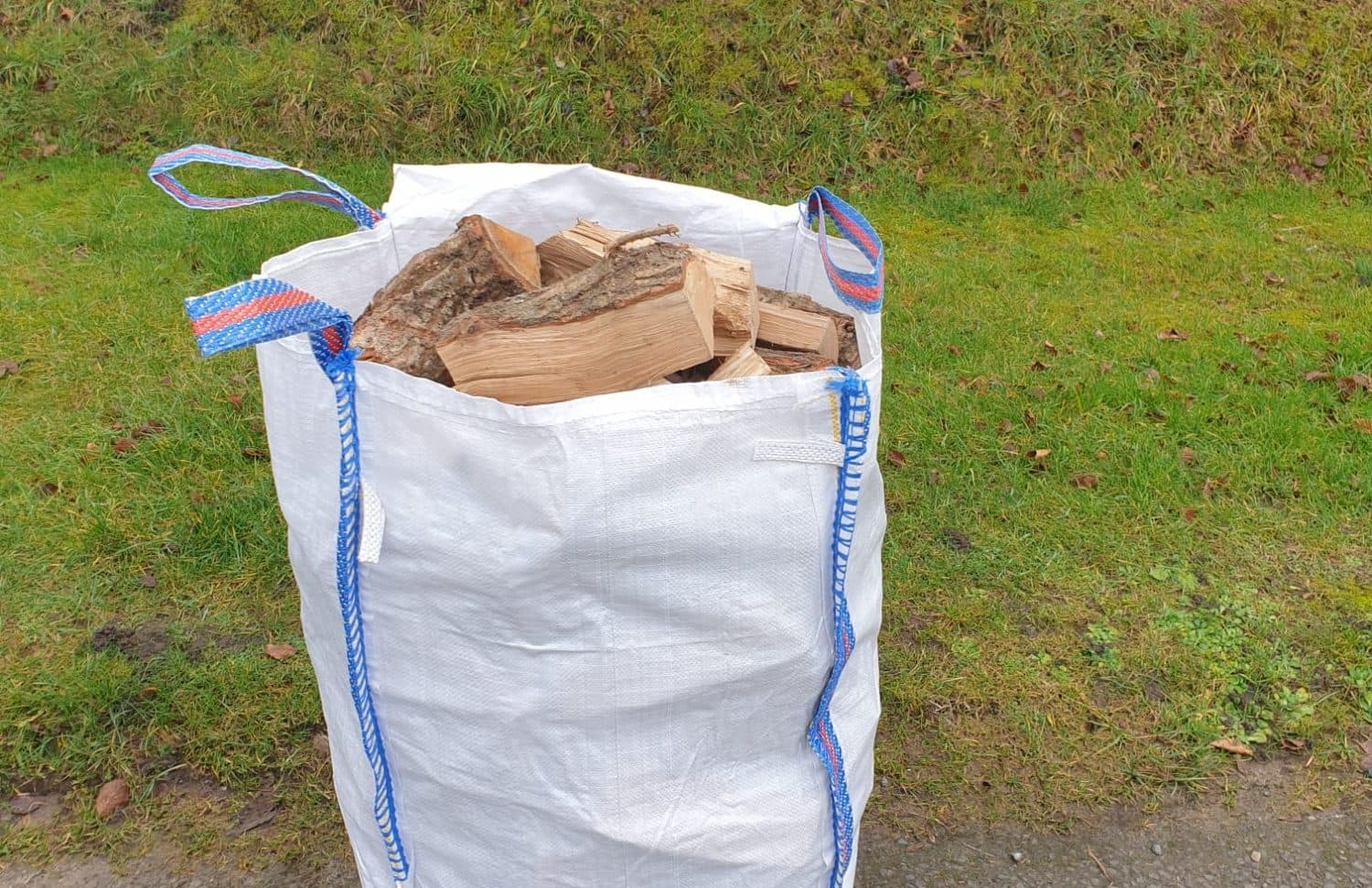
A sweep cannot fix wet wood. Every batch of our logs is kiln-dried and moisture-tested before it goes out, so it arrives at 20% or below. If you burn most evenings, the Large Bag is the one to start with, with a bag of kindling to get each fire going. The difference between kiln-dried and seasoned wood is explained in kiln-dried vs seasoned logs.
Sources
- HETAS: When should my chimney be swept?
- HETAS: Why do I need my chimney swept?
- HETAS: Find a HETAS Approved Chimney Sweep
- Merseyside Fire and Rescue Service: Heating your home
- Greater Manchester Fire and Rescue Service: Open fires, log burners and chimneys
- National Association of Chimney Sweeps: Chimney safety advice
- Defra: Open fires and wood-burning stoves, a practical guide (October 2023)