Choosing and buying firewood
Log burner vs gas vs electric: what does heat cost?
By Carl, Northwest Firewood Company ·
Per unit of heat, a log burner usually costs more to run than mains gas central heating and less than plug-in electric heaters. At the current Ofgem price cap, dry logs in a stove only beat mains gas if they cost you less than about 23p a kilo, and they beat electric heaters at anything under about 70p a kilo. Wet logs move both lines down, because you are paying for water. Put your own price into the calculator below to see where your logs land.
Figures last updated 26 October 2026, using the cap for 1 October to 31 December 2026. The cap changes on 1 January 2027, and Ofgem will announce the new levels on 25 November 2026. We will update this page when it does.
Heat cost calculator
Enter the figures from your own receipt. Nothing is sent anywhere.
Cost per kWh of useful heat
Enter what you paid for your logs to compare them.
- Your logs?
Enter your price and amount
- Mains gas8.7p
8.0p per kWh, 92% boiler
- Electric heater26.3p
26.3p per kWh, 100% efficient
At these settings, logs match mains gas at £0.23 per kg and an electric heater at £0.70 per kg. Pay less than that and the logs are cheaper per unit of heat.
Figures used (last updated 26 October 2026)
- Mains gas 8.0p and electricity 26.3p per kWh: Ofgem price cap, 1 October to 31 December 2026, Direct Debit average (Ofgem). The cap changes on 1 January 2027.
- Gas boiler 92%: the minimum for a gas boiler fitted in an existing English home since April 2018 (Boiler Plus). Older boilers may do worse.
- Electric heater 100%: direct electric room heaters turn all their electricity into heat (ASA ruling citing SAP 2012). Heat pumps are not covered here.
- Stove 65%: Ecodesign minimum for closed-fronted solid fuel heaters (Regulation 2015/1185, Annex II).
- Wood energy: 4.1 kWh/kg at 20% moisture (Forest Research typical calorific values), 3.5 kWh/kg at 30% and 2.9 kWh/kg at 40% (Forest Research moisture content calculator). All net calorific values.
- Volume: stacked logs at 20% moisture weigh 350 to 500 kg per m³ (Forest Research); we use 425.
- Standing charges are left out, because you pay them whether or not you light the stove.
Log burner vs gas vs electric: the cost per kWh
The fair way to compare heating is the cost of each kWh of heat that actually reaches the room. That means the price of the fuel divided by how efficiently the appliance turns it into heat.
| Fuel price | Efficiency | Cost per kWh of heat | |
|---|---|---|---|
| Mains gas boiler | 7.97p per kWh | 92% | about 8.7p |
| Electric heater | 26.32p per kWh | 100% | about 26.3p |
| Dry logs (20%) in a stove | your price per kg | 65% | your price ÷ 2.7 kWh |
Sources for the table: unit rates are the Ofgem cap for Direct Debit customers, October to December 2026. 92% is the minimum efficiency for a gas boiler fitted in an existing English home since April 2018. Direct electric room heaters are treated as 100% efficient under the government's SAP method. 65% is the Ecodesign minimum for a closed-fronted wood stove. Dry wood holds about 4.1 kWh per kg, so a 65% stove gets about 2.7 kWh of heat out of each kilo.
Divide what you paid per kilo by 2.7 and you have your cost per kWh of heat. At 23p a kilo that is about 8.7p, level with gas. If your stove's manual gives a higher efficiency than the 65% minimum, change it in the calculator and the break-even price rises with it.
Electricity has no VAT on it from 1 October 2026 to 31 March 2027, while gas still carries 5% (Ofgem). The cap rates above already include that.
Why wet wood costs more per unit of heat
Water in a log adds weight but no heat. Worse, the fire has to boil that water off before the wood gives you anything. Forest Research's figures show how fast the energy drops:
| Moisture | Heat in each kg | Break-even vs gas (65% stove) | Break-even vs electric |
|---|---|---|---|
| 20% or less | 4.1 kWh | about 23p per kg | about 70p per kg |
| Around 30% | 3.5 kWh | about 20p per kg | about 60p per kg |
| 40% | 2.9 kWh | about 16p per kg | about 50p per kg |
Sources for the table: Forest Research typical calorific values for 20%, and Forest Research's calorific value by moisture content calculator for 30% and 40%. Break-even prices are worked out from those figures and the Ofgem rates above.
So a kilo of wet logs gives about 30% less heat than a kilo of dry ones. If you buy by weight, you are paying for the water. Buying by volume softens this a little, since a wet log is the same size as a dry one, but you still lose the heat it takes to dry the wood in the fire.
The table is generous to wet wood, because it assumes the stove runs just as efficiently. In practice Defra says wet wood is hard to light, makes more smoke and produces less heat, and it tars up the stove and chimney. The same guide puts the target at 20% moisture or less. Our guide to log moisture content covers how to check with a meter.
How much does it cost to run a log burner for an evening?
Multiply the heat you use by your cost per kWh. A stove putting out 5 kW for four hours gives 20 kWh of heat. If the calculator says your logs cost 12p per kWh of heat, that evening costs £2.40 in logs. The same 20 kWh from a gas boiler at 8.7p would cost about £1.73, and from an electric heater at 26.3p about £5.26.
Real stoves rarely run at exactly their rated output all evening, so treat this as a way to compare, not a bill.
When a log burner makes sense
Cost per kWh is not the whole story. A stove can still be the right choice in a few situations.
- Heating one room. A stove heats the room you are sitting in. If you can turn the central heating down elsewhere while you do, you are paying for less heat overall, even if each kWh costs a bit more.
- No mains gas. Compared with electric heaters at the cap rate, dry logs win at most prices up to about 70p a kilo.
- Power cuts. The government's Be Ready guidance warns that gas boilers and heat pumps won't work without power. A wood stove without a fan keeps a room warm when the electricity is off.
- You like a real fire. That is a fair reason too, as long as you know it is not the cheapest heat if you have mains gas.
Check the rules before you burn. Parts of Merseyside are in smoke control areas, so see our guide to smoke control in Liverpool, Sefton and Wirral.
Getting the most heat for your money
- Burn dry wood. It is the one thing that changes the numbers more than anything else you control.
- Light it properly. Our step-by-step lighting guide shows the top-down method.
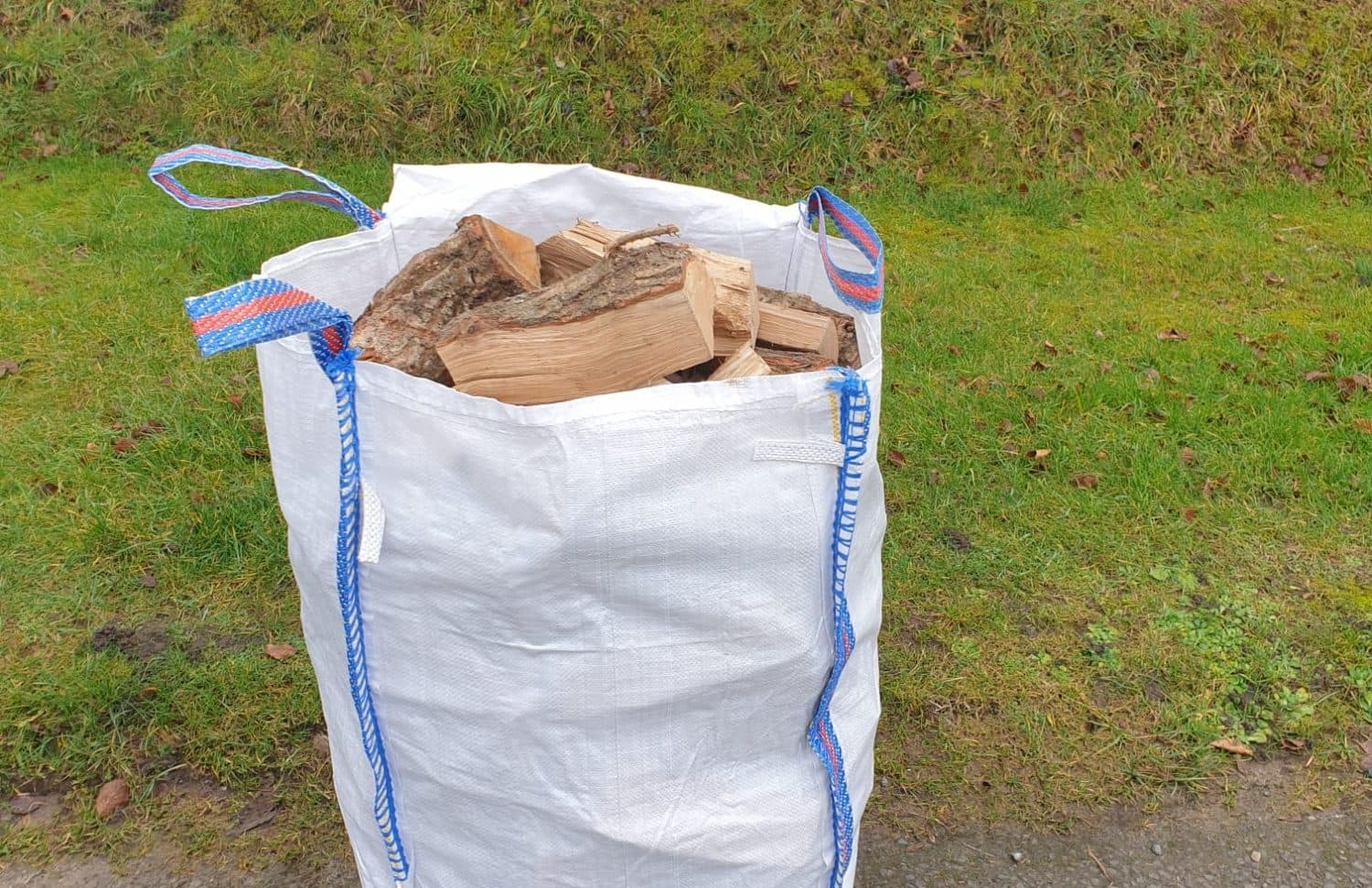
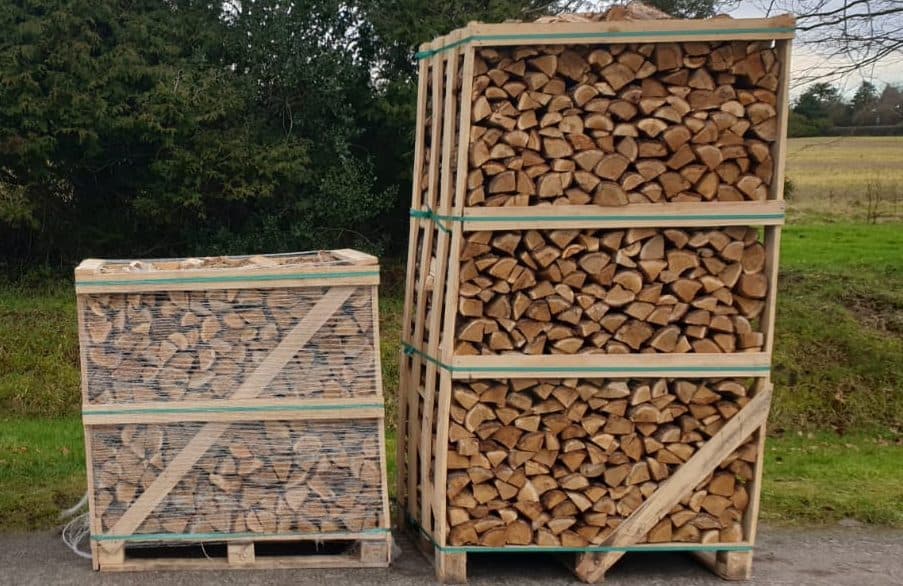
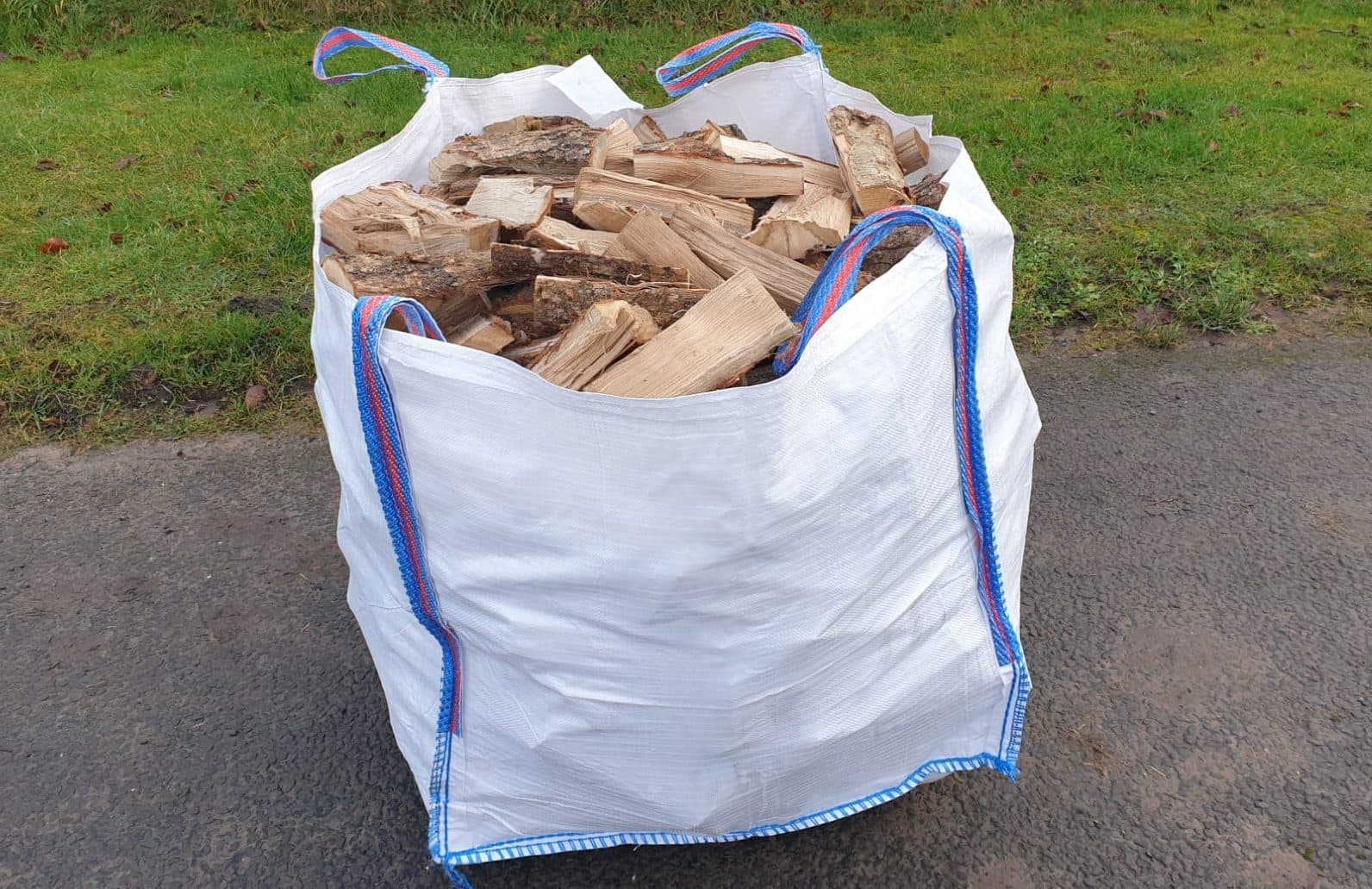
- Buy the right size. Our guide to what size firewood you need compares bag and pallet volumes, so you can work out what you are paying per cubic metre.
Our logs are kiln-dried and moisture-tested before they go out, so they arrive at 20% or below. If you burn most evenings, the Large Bag and Small Pallet are the best value, and the Barrow Bag suits a smaller store. Whoever you buy from, weigh a bag or ask the seller for its weight, then put the numbers in the calculator.
Common mistakes
- Comparing fuel prices instead of heat. Gas at 7.97p and logs at a similar price per kWh are not the same, because a boiler and a stove waste different amounts.
- Counting standing charges. You pay them whether the stove is lit or not, so they don't change the comparison.
- Buying wet logs because they are cheaper. At 40% moisture each kilo gives about 30% less heat, and the wood is harder on your stove and chimney.
- Using an open fire for the sums. The Ecodesign minimum for open-fronted appliances is just 30%, less than half the figure for a closed stove.
Questions people ask
Is a log burner cheaper than gas central heating?
Usually not, per unit of heat. With a 65% stove and dry logs, you need to pay less than about 23p a kilo to match mains gas at the October to December 2026 cap. Where a stove can save money is heating just the room you are in while the central heating stays low.
Are log burners expensive to run?
It depends on what you pay for logs and how dry they are. Divide your price per kilo by 2.7 to get your cost per kWh of heat with dry wood in a 65% stove, or use the calculator above.
Is a log burner cheaper than electric heating?
Yes, in most cases. Electric heaters cost about 26.3p per kWh of heat at the current cap, so dry logs come out cheaper at anything under about 70p a kilo.
Is a log burner cheaper than a gas fire?
We can't give a single answer, because gas fires vary a lot in efficiency. Check the efficiency in your gas fire's manual, divide 7.97p by it, and compare that with your log figure from the calculator.
How much does it cost to run an electric log burner?
An electric "log burner" is an electric heater with a flame effect, so it costs the same as any other electric heater: about 26.3p for every kWh of heat at the current cap. A 2 kW model on full for an hour uses 2 kWh, about 53p.
Will this change in January?
Yes. The cap changes on 1 January 2027, with the new rates announced by Ofgem on 25 November 2026. We will update the calculator and this page then.
Sources
- Ofgem: Changes to energy price cap between 1 October and 31 December 2026
- Ofgem: Energy price cap unit rates and standing charges
- Forest Research: Typical calorific values of fuels
- Forest Research: Moisture content (calorific value by moisture calculator)
- Commission Regulation (EU) 2015/1185 (Ecodesign for solid fuel local space heaters), Annex II
- BEIS: Boiler Plus, new standards for domestic boiler installations (FAQs)
- ASA ruling on Electrorad Ltd (electric heater efficiency under SAP 2012)
- UK Government Be Ready: Power cuts
- Defra: A guide to buying, storing and seasoning wood